
What Causes Blinds To Warp Or Crack In Alice Springs’ Climate
What Causes Blinds To Warp Or Crack In Alice Springs’ Climate
It often starts with small changes that are easy to overlook. A slat that no longer sits straight. A surface that feels brittle when adjusted. Hairline cracks appearing near the edges of a once-smooth blind. In many homes, these signs show up far sooner than expected, especially when blinds in Alice Springs are exposed to long periods of heat and sunlight.
The climate in Central Australia places constant pressure on interior materials, and window furnishings are no exception. Daily exposure to strong UV radiation, high temperatures and dry air can gradually weaken many common blind materials, changing both their appearance and function over time. While some products are made to tolerate harsher conditions, others can deteriorate surprisingly quickly when installed in rooms that receive intense sun throughout the day.
Understanding what causes this type of damage can help homeowners and renters make more informed choices when replacing existing window coverings or selecting materials for a new fit-out.
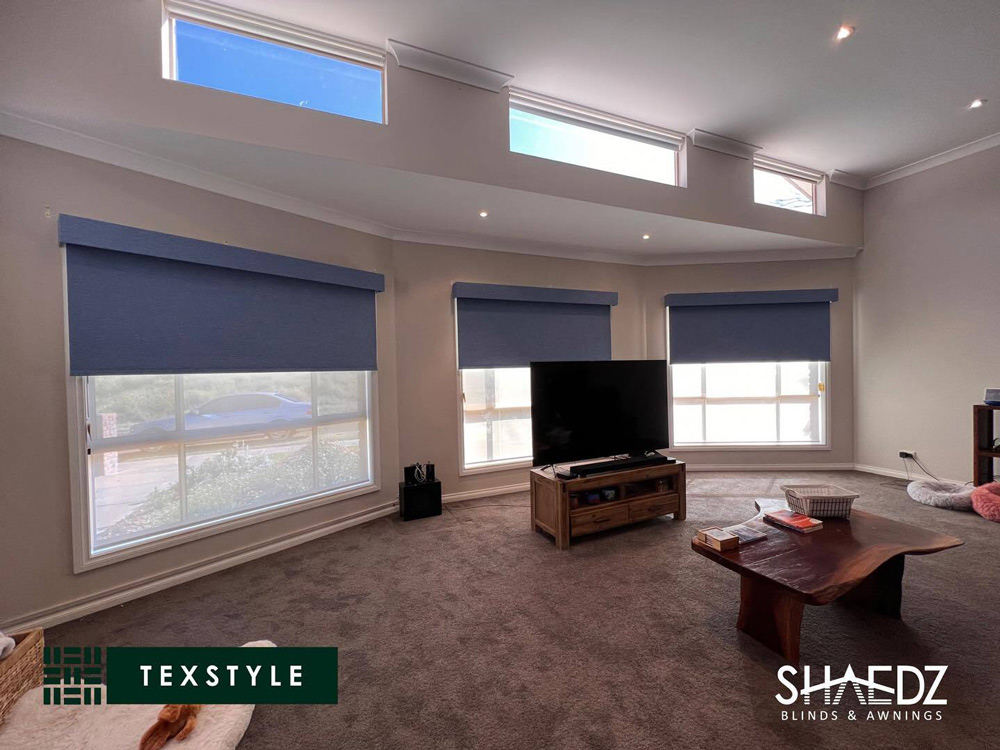
Constant UV Exposure Breaks Down Blind Materials
Sunlight is one of the main reasons blinds begin to crack, fade or lose their structural integrity. UV radiation gradually breaks down the chemical bonds within many synthetic materials, particularly PVC and vinyl products commonly used in affordable blinds.
This process often happens slowly at first. Surfaces may start to fade unevenly before becoming stiff or brittle. Once flexibility is lost, cracks can develop around folds, edges or moving parts.
Some of the most common signs of UV damage include:
- Discolouration or yellowing
- Surface peeling or flaking
- Brittleness around cords & clips
- Cracking along slat edges
- Loss of flexibility during adjustment
Windows that receive long afternoon sun tend to experience faster deterioration, particularly in rooms without external shading.
Heat Causes Expansion & Warping
Extreme heat affects blinds differently depending on the material used. Many products expand as temperatures rise, then contract again once conditions cool down. Over time, repeated expansion and contraction can distort the shape of slats, panels and tracks.
Warping is especially noticeable in blinds installed close to glass, where heat becomes trapped between the window and the blind surface. In some homes, the temperature near sun-facing windows can become significantly hotter than the rest of the room.
Heat-related warping may appear as:
- Curved or bowed slats
- Twisting along the length of panels
- Uneven gaps between sections
- Difficulty opening or closing blinds
- Misalignment within tracks or brackets
Even products labelled as moisture resistant can struggle when exposed to prolonged dry heat day after day.
Low Humidity Dries Out Timber & Faux Wood Blinds
Dry air plays a major role in how blinds age over time. Natural timber products are particularly vulnerable because wood expands and contracts in response to changing moisture levels. In low-humidity conditions, timber can lose internal moisture and gradually become dry and fragile.
Faux wood blinds are often selected as an alternative because they are less reactive than real timber. However, some lower-grade products still contain composite materials that can become brittle under extended dry conditions.
Common issues linked to low humidity include:
- Fine surface cracking
- Splitting around fixing points
- Dry or rough textures
- Corner fractures
- Increased fragility when adjusting slats
Rooms exposed to direct sunlight for most of the day usually show these signs earlier than shaded areas.
Temperature Swings Put Stress on Internal Components
One of the more challenging aspects of Central Australia’s climate is the sharp shift between daytime and nighttime temperatures. Materials that heat rapidly during the day then cool quickly overnight experience constant movement and tension.
While the visible slats may attract the most attention, internal components are also affected. Cords, adhesives, brackets and mechanisms can weaken gradually as materials repeatedly expand and contract.
Over time, this stress may contribute to:
- Fraying cords
- Loose fittings
- Stiff operating systems
- Detached adhesives
- Cracked mounting points
Blinds with multiple moving parts often show wear sooner because each component reacts differently to temperature changes.
Dust & Dry Air Accelerate Surface Wear
Dry conditions often mean more airborne dust entering the home, particularly during windy periods. Fine dust particles can settle into blind surfaces, tracks and operating systems, gradually increasing wear during daily use.
When dust combines with heat, it can also make surfaces feel rough or abrasive. Repeated cleaning with harsh products may then add further stress to already weakened materials.
Areas commonly affected by dust build-up include:
- Roller mechanisms
- Track systems
- Hinges & joins
- Fabric coatings
- Cord channels
Gentle cleaning methods and regular maintenance can help reduce unnecessary strain on blinds exposed to dusty indoor conditions.
Certain Blind Materials Handle Heat More Consistently
Not all blinds respond to climate conditions in the same way. Some materials are more stable under prolonged heat and UV exposure, while others are more likely to crack, distort or fade over time.
Products often chosen for hotter environments include:
- Aluminium Venetian blinds
- UV-stabilised roller blinds
- Sunscreen fabrics
- High-grade composite materials
- Certain outdoor-rated blind systems
Material quality also matters. Two blinds may appear similar at first glance but perform very differently after long exposure to heat and sunlight.
When selecting blinds, it can help to consider:
- Window orientation
- Amount of daily sun exposure
- Ventilation within the room
- Distance between the blind & the glass
- Frequency of use
These factors all influence how quickly materials may age.
Installation Position Can Affect Longevity
The placement of blinds inside a home can change how much heat and UV exposure they receive. Windows facing west often receive stronger afternoon sun, while rooms with limited airflow may trap heat for longer periods.
Blinds installed very close to glass may absorb more direct heat than those mounted further away or paired with external shading.
Several environmental factors can increase stress on blinds:
- Large uncovered windows
- Dark-coloured interiors that absorb heat
- Poor ventilation
- Rooms with reflective surfaces
- Windows exposed to prolonged afternoon sunlight
Simple adjustments to installation position or shading arrangements may help reduce direct heat exposure across the surface of the blind.
Early Signs of Damage Should Not Be Ignored
Small changes in texture or alignment can develop into more noticeable structural issues if left unattended. Cracks often spread gradually, while warped slats can place additional strain on operating systems and brackets.
Checking blinds periodically may help identify problems before components become difficult to repair or replace.
Some early warning signs include:
- Stiff movement during adjustment
- Uneven hanging lines
- Small surface fractures
- Fading concentrated on one side
- Loose or rattling fittings
Replacing heavily damaged blinds may also improve insulation and light control within the home, particularly in rooms exposed to strong daily sun.
Choosing Blinds for Harsh Conditions
Climate plays a major role in how long window furnishings remain functional and visually consistent. Materials that perform adequately in milder regions may deteriorate much faster under intense UV exposure, dry air and ongoing heat.
When selecting new blinds, it is worth considering how different products respond to prolonged environmental stress rather than focusing only on appearance. Durability, material composition and installation positioning all contribute to how blinds perform over time.
At Shaedz Blinds & Awnings, we can help homeowners looking for blinds in Alice Springs that suit the challenging local climate conditions. If your existing blinds are showing signs of cracking, fading or warping, contact us to discuss suitable replacement options for your home.