
How Motorised Blinds in Alice Springs Handle Extreme Heat and Dust
How Motorised Blinds in Alice Springs Handle Extreme Heat and Dust
Motorised blinds can make practical sense in Alice Springs because they can close automatically before intense daytime heat reaches exposed windows. For homes dealing with extreme summer temperatures, fine red dust and large north- or west-facing windows, automation can make blinds easier to use consistently when heat control matters most.
If you’re comparing blinds Alice Springs homeowners can install in demanding conditions, it is worth looking beyond the convenience of pressing a button. The real advantage of motorisation is being able to control when your blinds operate — even when nobody is home. That can make a noticeable practical difference during an Alice Springs summer.
How Do Motorised Blinds Help With Extreme Heat in Alice Springs?
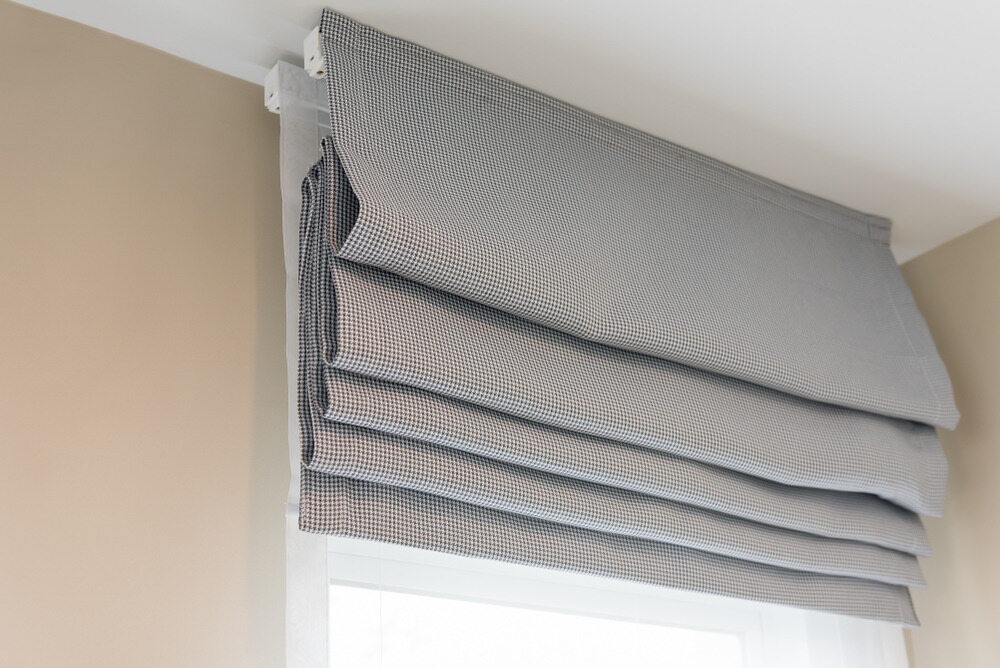
Motorised blinds help manage heat by allowing window coverings to close before strong sunlight has had hours to heat the glass and room behind it. Rather than waiting until the room feels uncomfortable, homeowners can schedule selected blinds to close ahead of peak exposure. This is particularly relevant for large north- and west-facing windows. West-facing glazing can receive strong afternoon sun at the same time outdoor temperatures are already high, while north-facing windows can experience extended solar exposure depending on the season and surrounding shade. The important point is timing.
In Alice Springs, motorised blinds are often programmed around a midday window — for example, 11am to 3pm — so they close before the hottest part of the day rather than after the room has already heated up. The ideal schedule will vary according to the property’s orientation, glazing, season and surrounding shade. As we explain in our guide to how old blinds can increase your energy bills, window coverings can affect how much unwanted heat enters a room. Motorisation makes that heat-management strategy easier to use consistently because it does not rely on somebody remembering to close the blinds.
Why Is Closing the Blinds Before the Room Gets Hot Important?
Once solar heat has entered through the window and warmed the room, your air conditioner has to remove that heat to bring the space back to a comfortable temperature. Closing suitable blinds earlier can help reduce the amount of solar heat entering in the first place.
This is where automated operation becomes more than a convenience feature.
A typical schedule might look like this:
- Keep selected blinds open during the cooler morning period for natural light.
- Close exposed blinds automatically before strong direct sun reaches the windows.
- Keep them closed through the period of highest heat exposure.
- Reopen them later in the afternoon or evening when direct solar gain reduces.
The thermostat setting is only part of the equation. If less heat builds up inside the room, the air conditioner has less heat to deal with and may be able to operate in shorter or less demanding cycles, depending on the home’s insulation, glazing and cooling system.
Can Motorised Blinds Close Automatically During the Hottest Part of the Day?
Yes. Depending on the motor and control system selected, motorised blinds can operate on programmed schedules without somebody manually opening or closing them. Control options can include timers, remotes, wall switches and compatible smart-home systems. Some setups can also group multiple blinds so several windows operate together. For automated blinds in Alice Springs, scheduled operation is particularly useful when the home is empty during the day.
You do not need to remember to close the blinds before leaving for work or rush around adjusting each window as the sun moves across the property. For example, a homeowner with a west-facing living room could program those blinds to close before the strongest afternoon sun reaches the glass. The blinds then perform their heat-control role whether the homeowner is at home, at work or away for the day. For new builds and major renovations, it is worth discussing automation before electrical work and interior finishes are completed. Early planning gives you more flexibility to consider hardwired motors, power locations and smart-home integration.
How Do Motorised Blinds Cope With Alice Springs Dust?
Motorised blinds are not dust-proof, but the right blind design and installation can make living with Alice Springs dust more manageable. Motorisation also eliminates the need to handle chains or cords every time you operate the blind.
Fine red dust can settle on blind fabrics, headboxes, window frames and operating components. For that reason, homeowners should consider the entire blind system rather than assuming the motor itself solves the dust problem.
Simple designs with easily accessible surfaces are generally easier to maintain. Depending on the selected system, a cassette or enclosed headbox can also provide a cleaner finish around the roller and operating components. Motorised systems can pair particularly well with roller blinds Alice Springs homeowners choose for their simple operation and clean appearance. The motor, roller tube, brackets and blind fabric should all be specified for the dimensions and conditions of the individual window.
What Should You Look for in Blinds for a Dusty Environment?
According to industry best practice, accurate measuring and appropriate product selection matter just as much as motorisation.
Important considerations include:
- Accurate fitting around the window
- Durable, easy-to-maintain blind fabrics
- Quality motors and operating hardware
- Accessible components for servicing
- Cassette or headbox options where suitable
- Simple surfaces that can be cleaned regularly
- Appropriate positioning around frequently opened windows and doors
A poorly fitted blind can leave unnecessary gaps and create more areas where dust collects around the window covering. Precise installation also gives the finished blind a cleaner appearance.
Regular light cleaning is generally preferable to allowing heavy dust deposits to build up. Always follow the manufacturer’s care instructions for the specific fabric and motorised components installed.
Are Motorised Blinds Worth the Extra Cost?
Motorised blinds can be worth the extra cost when automation solves a real problem: difficult access, large windows, repeated daily operation or the need to control solar exposure while nobody is home. Not every window needs a motor. A small bedroom window that is easy to reach may work perfectly well with a manual blind. Motorisation becomes easier to justify across large living-room windows, high windows or multiple blinds that need to close at approximately the same time each day.
Motorisation may be particularly worthwhile for:
- Large or heavy blinds
- High or difficult-to-reach windows
- North- and west-facing windows with significant sun exposure
- Several blinds that need to operate together
- Households that are empty during the hottest part of the day
- Homeowners incorporating automation into a renovation or new build
- People who want consistent operation without adjusting every blind manually
The best comparison is therefore not simply manual versus motorised. Ask what the motor will allow that particular blind to do better in your home.
Example: A West-Facing Living Room in Alice Springs
Consider a fictional example of an Alice Springs family with four large west-facing windows across an open-plan living and dining area. With manual blinds, someone needs to close all four before the afternoon sun becomes intense. If everyone leaves for work or school in the morning, those blinds may remain open until the family returns home. By that point, the room may already have experienced several hours of direct solar exposure. With motorisation, the four blinds could be grouped and programmed to close automatically before the strongest afternoon heat. The family does not have to think about them each day, and the blinds perform their intended shading role consistently. That is where motorisation can deliver genuine practical value rather than simply adding another remote control to the house.
How Much Do Motorised Blinds Cost in Australia?
There is no single price for motorised blinds in Australia because costs depend on the blind dimensions, fabric, motor, controls, power source and installation requirements.
A generic online price can therefore be misleading. A single motorised blind on an accessible window is very different from automating several large blinds as part of a whole-home smart system.
Factors that can affect the final price include:
- Width and drop of each blind
- Number of blinds being motorised
- Selected fabric and blind style
- Motor type and specification
- Battery, rechargeable or hardwired operation
- Remote and wall-control requirements
- Smart-home compatibility
- Number of motors and control channels
- Window accessibility
- Installation complexity
- Electrical work where required
This is why the answer to “how much are electric blinds?” varies considerably between homes. For a useful cost comparison, ask for manual and motorised quotes based on the same windows, dimensions and fabric specification. That shows you the actual premium for automation rather than comparing two different blind packages. You can then decide where motorisation earns its place in the budget.
Should You Choose Battery-Powered or Hardwired Motorised Blinds?
Battery-powered and hardwired motorised blinds can both work well, but they suit different projects. Battery-powered or rechargeable systems can be particularly useful when retrofitting motorised blinds to an existing home because they may reduce the amount of electrical preparation required. You will, however, need to consider battery replacement or charging requirements for the selected system. Hardwired blinds can be attractive during a new build or substantial renovation. If wiring can be planned before walls and finishes are completed, the blinds can form part of a more integrated automation setup.
For homeowners considering smart blinds in Alice Springs, it is also important to establish what you actually want the system to do. If you only want several blinds to open and close on a schedule, a relatively straightforward control system may be enough. If you want the blinds integrated with broader home automation, the motor, controls and electrical requirements should be planned accordingly.
Are Motorised Roller Blinds Suitable for Large Windows?
Motorised roller blinds can be a good option for large windows because the motor removes the need to manually raise and lower a substantial blind. This becomes especially useful where several large blinds sit alongside each other across an open-plan living space. Compatible systems can allow them to operate individually, in groups or according to a programmed schedule. Large blinds do require appropriate hardware. The motor needs enough capacity for the size and weight of the blind, while the roller tube, brackets and fabric all need to suit the window dimensions. Professional measuring and specification become increasingly important as the blind gets larger. For homeowners considering motorised roller blinds in Alice Springs, it is worth assessing the complete system rather than choosing a motor independently of the blind itself.
Can Exterior Shading Help With Alice Springs Heat Too?
Yes. Interior motorised blinds are only one way to manage solar exposure, and some homes may benefit from combining internal window coverings with external shade. External shading has an important advantage: it can intercept direct sunlight before that solar energy reaches the window glass. The right solution will depend on the direction the window faces, surrounding structures and how the indoor or outdoor area is used. For particularly exposed windows and outdoor living areas, homeowners can also consider exterior blinds and awnings as part of a broader shading strategy. This does not mean every window needs multiple layers of shading. The goal is to identify where heat exposure is creating the biggest problem and choose a solution suited to that location.
How Should You Choose Blinds in Alice Springs for a Hot, Dusty Home?
Choosing blinds Alice Springs homes can rely on in extreme conditions starts with assessing each window rather than choosing one solution for the entire house. Identify the rooms that become hottest, the windows receiving prolonged direct sunlight and any blinds that would be inconvenient to operate manually. These are usually the strongest candidates for motorisation.
Before deciding, ask:
- Which windows receive direct sun and at what time?
- Are north- or west-facing windows causing excessive heat gain?
- Will somebody usually be home to close the blinds?
- Would an automatic schedule improve how consistently they are used?
- Are any windows large, high or difficult to reach?
- How easy will the blind be to clean in dusty conditions?
- Would battery-powered or hardwired motors suit the project better?
- Do multiple blinds need to operate together?
- Do you want simple automation or broader smart-home integration?
You also do not need to motorise every blind to benefit from automation. Prioritising the most exposed or inconvenient windows can provide a better balance between upfront cost and everyday usefulness.
What Is the Takeaway for Alice Springs Homeowners?
Motorised blinds make the strongest case for themselves when they solve a specific problem. In Alice Springs, that often means automatically shading exposed windows before peak daytime heat, simplifying the operation of large blinds or making window coverings easier to manage consistently. For homeowners comparing blinds Alice Springs properties need for heat control, dust management and everyday convenience, focus first on the windows with the greatest sun exposure. A well-planned 11am–3pm schedule, adjusted to suit the individual property, can be far more useful than waiting until the room already feels hot before closing the blinds. Shaedz Blinds & Awnings can help you compare manual and motorised options based on your window sizes, orientation, sun exposure and how you use your home. Speak with the team about a practical motorised blind setup for your Alice Springs renovation or new build.
Frequently Asked Questions About Motorised Blinds in Alice Springs
How Much Do Motorised Blinds Cost in Australia?
Motorised blind prices vary according to the size and number of blinds, fabric, motor specification, power source, controls and installation requirements. For an accurate comparison, request manual and motorised pricing based on the same windows and blind specifications.
Are Motorised Blinds Worth the Extra Cost?
Motorised blinds can be worth the extra cost for large, hard-to-reach or strongly sun-exposed windows. They are particularly useful when automatic scheduling means the blinds operate consistently even when nobody is home.
Can Motorised Blinds Close Automatically During the Hottest Part of the Day?
Yes. Compatible motorised blinds can follow programmed schedules, allowing selected blinds to close before periods of strong solar exposure. In Alice Springs, a schedule such as 11am–3pm may suit some windows, although the ideal timing depends on orientation, season and surrounding shade.
Do Motorised Blinds Stop Dust From Entering the Home?
No blind can make a window completely dust-proof. Accurate fitting and an appropriate blind design can help minimise unnecessary gaps and make cleaning easier, while motorisation reduces the need to handle cords or chains during everyday operation.
Can You Install Smart Blinds in an Existing Alice Springs Home?
In many cases, yes. Battery-powered or rechargeable motors can provide options for existing homes where hardwiring was not planned during construction. The best system will depend on the blinds, windows and level of automation required.
Which Windows Should You Motorise First?
Start with large, high, difficult-to-reach or strongly sun-exposed windows. North- and west-facing windows are often worth assessing first in Alice Springs because automatic operation can ensure the blinds close before periods of intense solar exposure.